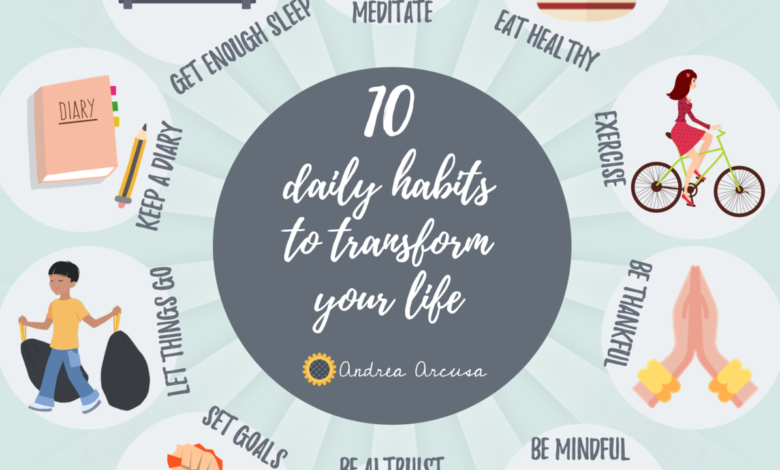
Living a balanced and fulfilling life begins with building the right routines. In today’s fast-paced world, maintaining wellness often feels challenging due to unhealthy food choices, stress, poor sleep, and sedentary habits. However, adopting simple yet powerful daily habits can significantly improve your physical, mental, and emotional well-being. Developing daily habits for a healthy lifestyle is not about making drastic changes overnight; instead, it involves consistent, mindful actions that gradually create lasting results.
A healthy lifestyle is essential for boosting energy levels, enhancing productivity, preventing chronic diseases, and improving overall happiness. Small routines such as eating nutritious foods, staying active, drinking enough water, and practicing mindfulness can have a transformative effect on your life. By incorporating these habits into your everyday routine, you can create a sustainable foundation for long-term wellness.
This guide explores the 10 daily habits for a healthy lifestyle that can help you feel better, look better, and live longer. Whether your goal is weight management, improved mental clarity, or increased vitality, these practical habits can set you on the path to success.
1. Start Your Day with a Nutritious Breakfast
Breakfast is often called the most important meal of the day for a reason. A wholesome breakfast fuels your body after hours of fasting and provides the energy needed to kickstart your metabolism. Consuming a balanced breakfast that includes protein, fiber, healthy fats, and vitamins can improve concentration, stabilize blood sugar levels, and reduce unhealthy snacking later in the day.
Healthy breakfast options include oatmeal with fruits, eggs with whole-grain toast, smoothies, or yogurt with nuts and seeds. Skipping breakfast can lead to fatigue, overeating, and poor decision-making when it comes to food choices. Prioritizing a nourishing morning meal is one of the simplest healthy lifestyle habits that supports long-term wellness.
2. Stay Hydrated Throughout the Day
Water plays a vital role in maintaining body temperature, supporting digestion, flushing out toxins, and keeping your skin healthy. Drinking enough water daily is one of the most underrated yet effective daily habits for a healthy lifestyle.
Aim for at least 8 glasses of water per day, though individual needs may vary depending on activity level and climate. Carrying a reusable water bottle can help you stay consistent. Proper hydration improves focus, prevents headaches, and supports overall body function. Replacing sugary beverages with water or herbal teas can also reduce calorie intake and improve health outcomes.
3. Incorporate Regular Physical Activity
Exercise is a cornerstone of healthy living. Engaging in daily physical activity improves cardiovascular health, strengthens muscles, boosts mood, and supports weight management. You don’t need an intense gym routine to stay fit—simple activities like walking, jogging, yoga, or cycling can make a big difference.
Experts recommend at least 30 minutes of moderate exercise most days of the week. Regular movement not only benefits physical health but also reduces stress and anxiety by releasing endorphins. Making exercise a non-negotiable part of your day is one of the most effective healthy habits you can adopt.
4. Prioritize Quality Sleep
Sleep is essential for recovery, brain function, and emotional health. Poor sleep can lead to weakened immunity, weight gain, mood disorders, and reduced productivity. Developing consistent sleep habits is crucial for maintaining a healthy lifestyle.
Aim for 7–9 hours of quality sleep each night. Create a bedtime routine by limiting screen time, avoiding caffeine late in the day, and maintaining a comfortable sleep environment. Proper rest helps your body repair itself and ensures you wake up refreshed and energized.
5. Practice Mindfulness and Stress Management
Mental health is just as important as physical health. Chronic stress can negatively affect the immune system, digestion, and heart health. Incorporating mindfulness techniques such as meditation, deep breathing, journaling, or gratitude practices can significantly improve emotional well-being.
Taking a few minutes each day to relax and reflect can reduce anxiety, improve focus, and create a sense of balance. Stress management is one of the most valuable daily wellness habits for sustaining a healthy and happy life.
6. Eat More Whole Foods and Balanced Meals
Nutrition is the foundation of overall health. Consuming a diet rich in fruits, vegetables, lean proteins, whole grains, and healthy fats provides essential nutrients your body needs to function optimally.
Avoid highly processed foods, excessive sugar, and unhealthy fats whenever possible. Meal planning can help you make better food choices and prevent impulsive eating. A balanced diet supports weight management, improves digestion, and lowers the risk of chronic illnesses such as diabetes and heart disease.
7. Limit Screen Time and Sedentary Behavior
Modern lifestyles often involve prolonged sitting and excessive screen exposure, which can negatively impact physical and mental health. Spending too much time on devices can lead to eye strain, poor posture, and reduced physical activity.
Taking regular breaks, stretching, and setting screen time boundaries can improve productivity and well-being. Replacing some screen time with outdoor activities, hobbies, or social interactions supports a healthier lifestyle and better mental clarity.
8. Build Strong Social Connections
Healthy relationships contribute significantly to emotional wellness and longevity. Spending time with supportive family members, friends, or community groups can reduce stress and increase feelings of belonging.
Positive social interactions improve mental health, boost self-esteem, and encourage healthy behaviors. Prioritizing meaningful connections is an often-overlooked yet essential aspect of maintaining a healthy lifestyle.
9. Maintain Personal Hygiene and Preventive Care
Good hygiene practices such as regular handwashing, dental care, and routine health checkups are fundamental to long-term health. Preventive care helps detect potential issues early and reduces the risk of illness.
Daily hygiene routines not only protect physical health but also improve confidence and social well-being. Incorporating preventive health measures into your lifestyle ensures a proactive approach to wellness.
10. Stay Consistent and Set Realistic Goals
The key to lasting health improvements is consistency. Building sustainable habits takes time, patience, and realistic expectations. Setting achievable health goals helps maintain motivation and encourages gradual progress.
Rather than aiming for perfection, focus on small daily improvements. Whether it’s adding an extra serving of vegetables, taking daily walks, or improving sleep patterns, consistency leads to meaningful long-term results. Sustainable change is what truly defines a successful healthy lifestyle.
Conclusion
Adopting these 10 daily habits for a healthy lifestyle can dramatically improve your overall well-being, energy levels, and quality of life. From eating nutritious meals and staying active to prioritizing sleep and managing stress, each habit contributes to a healthier and more balanced future.
Remember, healthy living is not about temporary fixes or extreme routines—it’s about making consistent, positive choices every day. By gradually integrating these habits into your lifestyle, you can build a stronger body, sharper mind, and happier life.
FAQs
1. What are the most important daily habits for a healthy lifestyle?
The most important habits include eating balanced meals, staying hydrated, exercising regularly, getting enough sleep, and managing stress effectively.
2. How long does it take to build healthy daily habits?
It typically takes several weeks to a few months to form consistent habits, depending on dedication and lifestyle factors.
3. Can small lifestyle changes really improve health?
Yes, small daily improvements can lead to significant long-term benefits for physical, mental, and emotional well-being.
4. Why is sleep important for a healthy lifestyle?
Quality sleep supports immune function, mental clarity, energy restoration, and overall physical health.
5. How can I stay motivated to maintain healthy habits?
Set realistic goals, track progress, celebrate small achievements, and focus on consistency rather than perfection.