

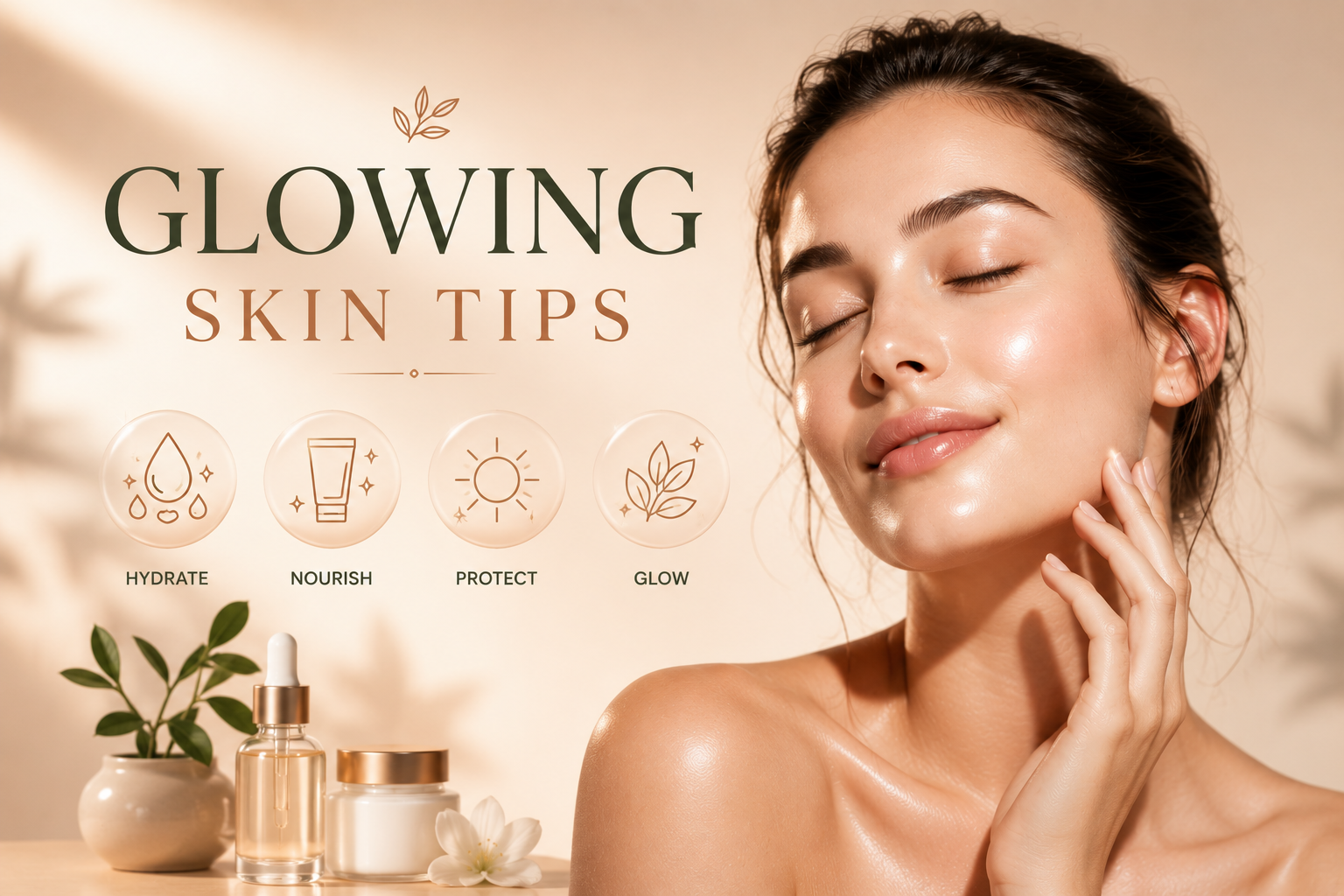
The most effective glowing skin tips focus on nourishing the skin from both the inside and outside. While makeup can temporarily enhance appearance, naturally glowing skin comes from proper care, hydration, protection, and nutrition. Understanding how your skin functions and what it needs can help you create a routine that supports long-term skin health.
In this complete skincare guide, you will discover proven strategies that can improve your complexion, enhance your skin’s natural radiance, and help you maintain a youthful appearance. Whether you have dry, oily, combination, or sensitive skin, these practical tips can help you achieve healthier-looking skin over time.
What Makes Skin Glow
Before exploring specific glowing skin tips, it is important to understand what creates a radiant complexion. Glowing skin is generally well-hydrated, smooth, evenly toned, and free from excessive irritation or damage.
The outer layer of your skin acts as a protective barrier. When this barrier is healthy, skin retains moisture more effectively and reflects light evenly, creating a natural glow. However, factors such as pollution, dehydration, poor nutrition, lack of sleep, and excessive sun exposure can damage the skin barrier and lead to dullness.
Maintaining healthy skin, supporting skin barrier function, and encouraging natural skin renewal are essential components of achieving a radiant complexion.
The Importance of a Consistent Skincare Routine
One of the most effective glowing skin tips is maintaining a consistent skincare routine. Many people switch products frequently or expect immediate results, but healthy skin requires patience and regular care.
A proper skincare routine should focus on cleansing, moisturizing, and protecting the skin. These foundational steps help remove impurities, maintain hydration, and prevent environmental damage.
Consistency allows active ingredients to work effectively while reducing irritation caused by constantly introducing new products. Over time, a balanced routine helps improve skin texture, tone, and overall appearance.
Cleansing Your Skin Properly
Why Gentle Cleansing Matters
Cleansing is the first step toward achieving glowing skin. Throughout the day, dirt, oil, sweat, and environmental pollutants accumulate on the skin’s surface. Removing these impurities helps prevent clogged pores and dullness.
Using a gentle cleanser is crucial because harsh products can strip away natural oils and damage the skin barrier. Choose a cleanser designed for your specific skin type to maintain balance while effectively removing impurities.
Proper cleansing leaves the skin refreshed and prepares it for other skincare products.
Avoid Overwashing
While cleansing is important, washing your face too often can have negative effects. Excessive cleansing may cause dryness, irritation, and increased oil production.
Most dermatologists recommend cleansing twice daily, once in the morning and once before bed. This approach helps maintain healthy skin without disrupting its natural protective barrier.
Hydration Is the Key to Radiant Skin
Hydration is among the most important glowing skin tips because dehydrated skin often appears dull, rough, and tired. Water supports essential skin functions and helps maintain elasticity.
Drinking enough water throughout the day can contribute to healthier skin, but external hydration is equally important. Moisturizers help lock in moisture and prevent water loss from the skin’s surface.
Look for products containing hyaluronic acid, glycerin, and ceramides, which are known for their ability to attract and retain moisture. Well-hydrated skin typically appears smoother, plumper, and more luminous.
Daily Sun Protection for Long-Term Glow
How UV Rays Affect Skin Health
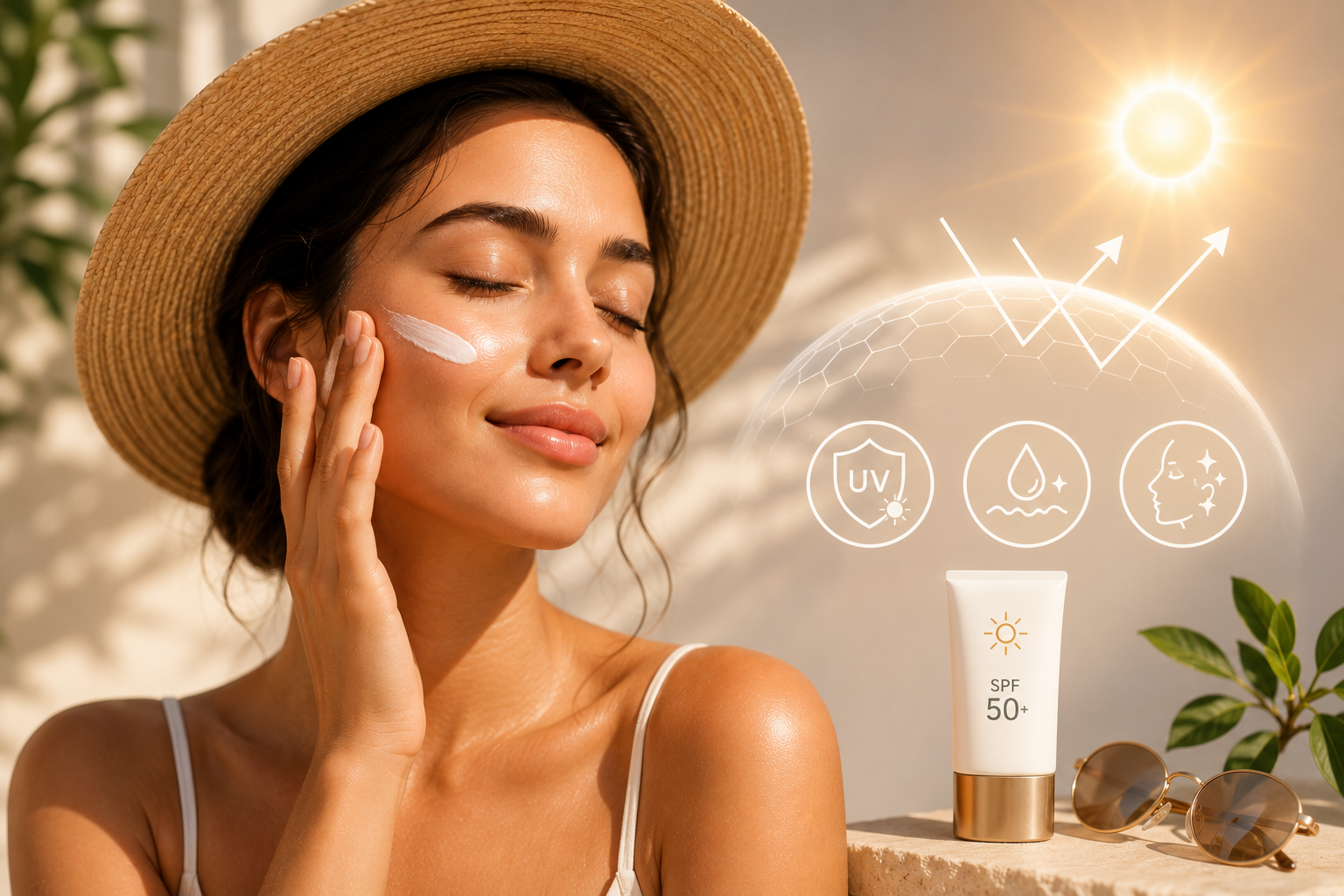
One of the biggest threats to glowing skin is unprotected sun exposure. Ultraviolet rays contribute to premature aging, pigmentation, fine lines, and uneven skin tone.
Even on cloudy days, UV radiation can damage the skin and accelerate visible aging. Consistent sun protection is essential for maintaining a youthful and radiant complexion.
Choosing the Right Sunscreen
Using a broad-spectrum sunscreen with SPF 30 or higher every day is one of the most effective glowing skin tips available. Sunscreen protects against both UVA and UVB rays while helping prevent sun damage.
Applying sunscreen as the final step of your morning skincare routine creates an important protective barrier that preserves skin health over time.
Nourishing Your Skin Through Healthy Nutrition
Your diet plays a major role in skin appearance. Nutrient-rich foods provide vitamins, minerals, and antioxidants that support healthy skin cells and combat environmental stress.
Foods rich in Vitamin C, Vitamin E, Omega-3 fatty acids, and antioxidants can contribute to brighter and healthier skin. Fruits, vegetables, nuts, seeds, and fatty fish are excellent additions to a skin-friendly diet.
Reducing excessive sugar and highly processed foods may also help minimize inflammation and support a clearer complexion.
Healthy eating habits complement your skincare routine and enhance your skin’s natural glow from within.
The Role of Exfoliation in Skin Brightness
Removing Dead Skin Cells
Dead skin cells naturally accumulate on the skin’s surface, making the complexion appear dull and uneven. Exfoliation helps remove these cells and reveals fresher skin underneath.
Regular exfoliation can improve skin texture, enhance product absorption, and promote a brighter appearance.
Avoid Excessive Exfoliation
While exfoliation is beneficial, overdoing it can cause irritation and sensitivity. Most skin types benefit from exfoliating one to three times per week depending on individual needs.
Using gentle chemical exfoliants containing alpha hydroxy acids (AHAs) or beta hydroxy acids (BHAs) can provide effective results without excessive scrubbing.
Prioritizing Quality Sleep
Sleep is often overlooked when discussing glowing skin tips, yet it plays a vital role in skin repair and regeneration.
During sleep, the body works to repair damaged cells and produce collagen, which helps maintain firmness and elasticity. Insufficient sleep may lead to dark circles, dullness, and increased signs of aging.
Establishing a consistent sleep schedule and aiming for seven to nine hours of quality sleep each night can significantly improve overall skin appearance.
Managing Stress for Better Skin Health
Stress affects more than mental well-being; it can also influence skin health. Chronic stress may trigger inflammation, acne breakouts, and sensitivity.
Practicing relaxation techniques such as meditation, deep breathing, exercise, or spending time outdoors can help reduce stress levels.
Lower stress often leads to improved skin function and contributes to a healthier, more radiant complexion.
Choosing Products Suitable for Your Skin Type
Every skin type has unique needs. Using products formulated for your specific skin type can help maximize results while minimizing irritation.
People with oily skin may benefit from lightweight, non-comedogenic products. Dry skin often requires richer moisturizers and hydrating ingredients. Sensitive skin generally responds best to fragrance-free and gentle formulations.
Understanding your skin type enables you to build an effective skincare routine that supports long-term skin health and radiance.
Powerful Ingredients That Promote Glowing Skin
Certain skincare ingredients have earned strong reputations for improving skin appearance and supporting healthy function.
Vitamin C is widely known for its brightening properties and antioxidant protection. It can help reduce the appearance of dark spots and promote a more even skin tone.
Niacinamide supports the skin barrier, reduces redness, and improves overall texture. It is suitable for many skin types and can contribute to a smoother complexion.
Retinol encourages cell turnover and helps improve fine lines, uneven texture, and skin clarity. Consistent use can enhance overall skin radiance over time.
When introducing active ingredients, start gradually to minimize irritation and allow your skin to adjust.
Avoiding Common Skincare Mistakes
Many people unknowingly sabotage their efforts by making common skincare mistakes. Frequently changing products, using excessive amounts of active ingredients, and skipping sunscreen are among the most common issues.
Another mistake is expecting immediate results. Healthy skin improvements typically require several weeks or even months of consistent care.
Patience and realistic expectations are essential components of successful skincare. Focusing on long-term skin health rather than quick fixes often leads to the best outcomes.
Lifestyle Habits That Enhance Natural Glow
Glowing skin is influenced by everyday habits. Regular physical activity improves blood circulation, which helps deliver oxygen and nutrients to skin cells.
Avoiding smoking and limiting excessive alcohol consumption can also support healthier skin. Both habits can contribute to dehydration, premature aging, and dullness.
Combining healthy lifestyle practices with an effective skincare routine creates a strong foundation for long-lasting skin radiance.
Conclusion
Achieving naturally radiant skin does not require complicated routines or expensive treatments. The most effective glowing skin tips focus on consistency, hydration, sun protection, proper nutrition, and healthy lifestyle habits. By understanding your skin’s needs and supporting its natural functions, you can create lasting improvements in texture, tone, and overall appearance.
Remember that glowing skin is a reflection of both internal health and external care. With patience and dedication, you can develop habits that help your skin look healthy, vibrant, and naturally beautiful for years to come.
Read more: Glowing Skin Tips for Naturally Radiant Skin
