

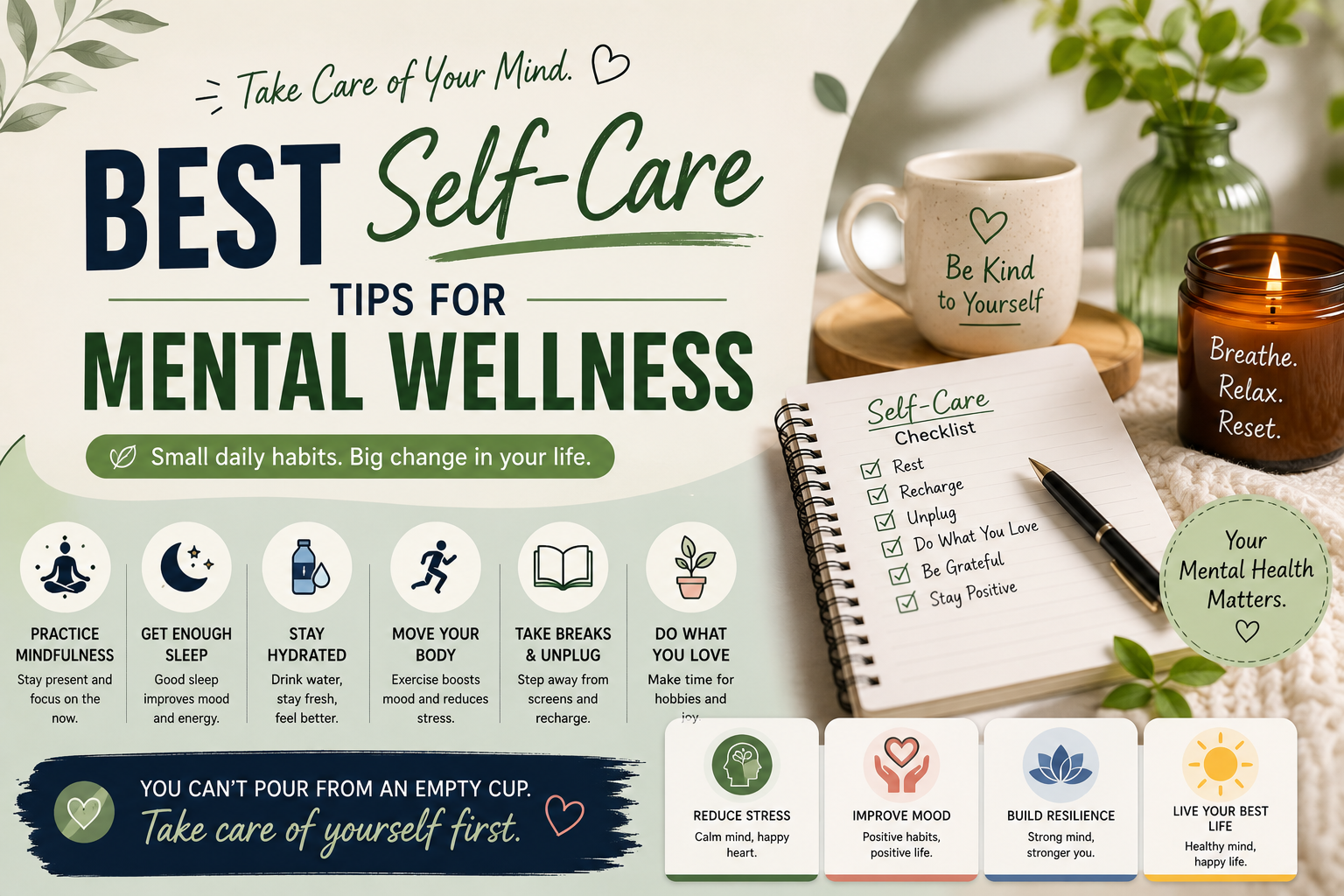
Best Self-Care Tips taking care of your mind is just as important as looking after your physical health. Constant work pressure, academic responsibilities, financial concerns, and the endless stream of digital information can leave people feeling overwhelmed and emotionally drained. While occasional stress is a normal part of life, ignoring your emotional well-being can affect your relationships, productivity, and overall quality of life.
Developing healthy self-care habits is one of the most effective ways to support long-term mental wellness. Self-care doesn’t always mean expensive spa treatments or vacations. Instead, it’s about making intentional choices every day that help you feel balanced, calm, and emotionally resilient. Small actions performed consistently often have a greater impact than dramatic lifestyle changes.
This guide explores the best self-care tips for mental wellness, along with practical daily habits that can help you build emotional strength, improve focus, and create a healthier, more fulfilling lifestyle in 2026 and beyond.
Why Mental Wellness Should Be a Daily Priority
Mental wellness influences almost every aspect of life, from decision-making and relationships to physical health and workplace performance. When your mind feels healthy and balanced, it becomes easier to manage challenges, adapt to change, and stay motivated.
Ignoring emotional health may lead to increased stress, poor concentration, sleep disturbances, and reduced productivity. Making time for emotional well-being, healthy lifestyle habits, and stress management allows you to better cope with everyday responsibilities while improving your overall happiness.
Prioritizing mental wellness isn’t a sign of weakness. It’s an investment in living a healthier and more meaningful life.
Start Your Day with a Positive Morning Routine
The way you begin your morning often shapes the rest of your day. Rather than immediately checking emails or social media, spend a few quiet moments focusing on yourself.
Simple activities such as stretching, deep breathing, drinking water, or writing down a few goals for the day can create a sense of calm and direction. A consistent morning routine reduces unnecessary stress and prepares your mind for daily challenges.
Practice Mindfulness Every Day
Mindfulness encourages you to focus on the present instead of worrying about the past or future. Even a few minutes of mindful breathing can help calm racing thoughts and improve emotional awareness.
Practicing mindfulness techniques, meditation, or quiet reflection teaches the brain to respond to stress more effectively. Instead of reacting impulsively, you become more capable of making thoughtful decisions during difficult situations.
Build Healthy Sleep Habits
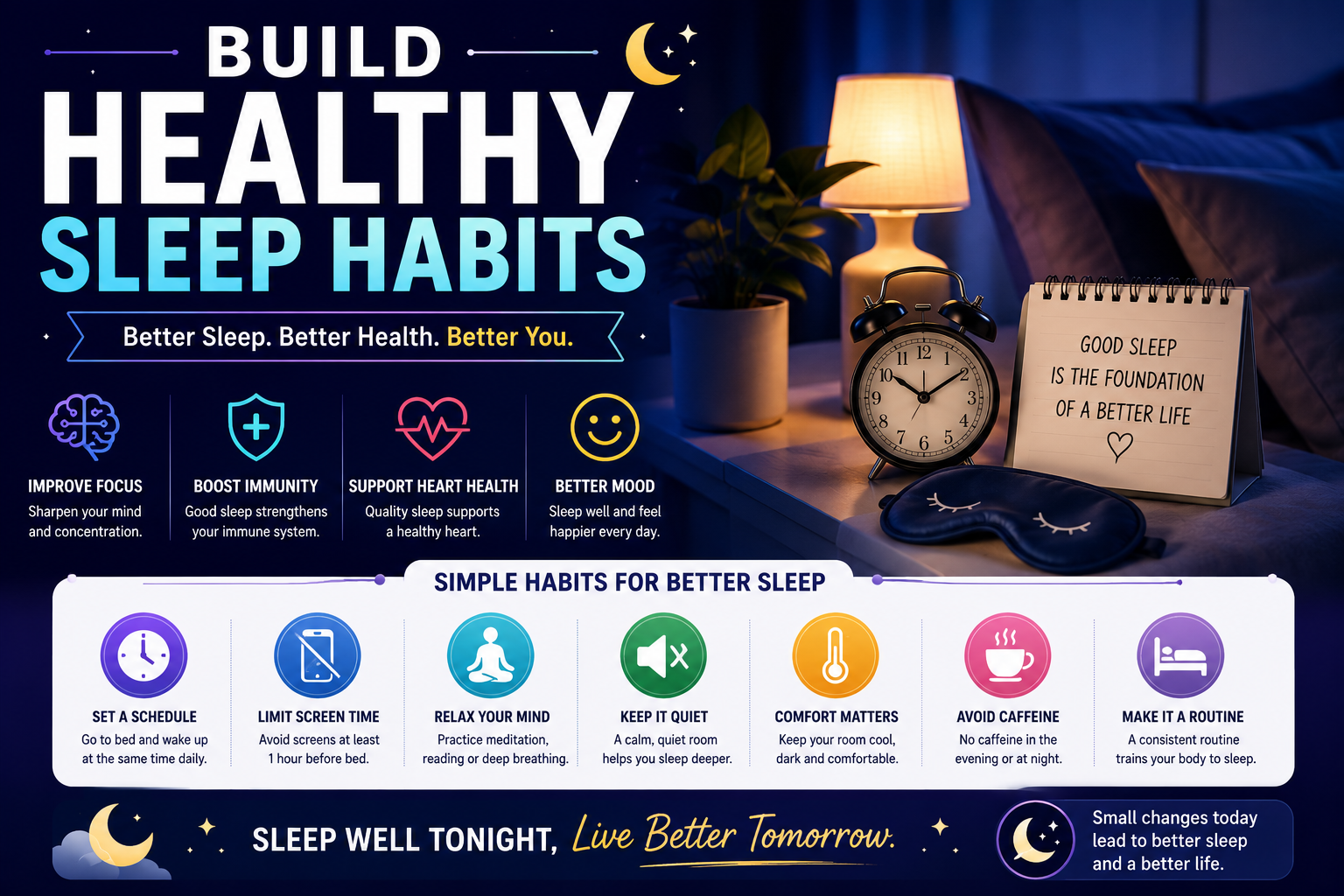
Quality sleep is closely connected to mental wellness. When you don’t get enough rest, your mood, memory, and ability to manage stress often suffer.
Aim for seven to nine hours of sleep each night by following a consistent bedtime routine. Reducing screen time before bed and creating a comfortable sleeping environment can significantly improve sleep quality.Better sleep helps your brain recover, improves focus, and supports emotional stability throughout the day.
Stay Physically Active
Exercise benefits much more than your body. Physical activity naturally releases chemicals that improve mood and reduce stress.
Whether you enjoy walking, cycling, yoga, or strength training, moving your body every day helps increase energy levels and supports mental health, emotional wellness, and overall well-being.Even a short daily walk outdoors can have a noticeable positive impact on your mood.
Eat Foods That Support Brain Health
Nutrition plays an important role in emotional well-being. A balanced diet provides the nutrients your brain needs to function effectively.
Whole grains, fruits, vegetables, lean proteins, healthy fats, and proper hydration contribute to better concentration and stable energy levels. Limiting excessive sugar and processed foods may also help reduce mood fluctuations.Healthy eating complements other self-care practices and supports long-term wellness.
Reduce Digital Overload
Technology connects us with the world, but constant notifications and endless scrolling can become mentally exhausting.Creating healthy boundaries with digital devices gives your brain time to relax and recharge. Consider scheduling periods during the day without social media or unnecessary screen use.
Reducing digital distractions improves focus, encourages meaningful conversations, and creates more opportunities for personal growth.
Strengthen Meaningful Relationships
Supportive relationships are essential for emotional health. Spending quality time with family, friends, or trusted colleagues provides comfort during stressful periods and creates a sense of belonging.
Meaningful conversations, shared experiences, and emotional support strengthen resilience and improve overall life satisfaction.Healthy relationships remain one of the most powerful forms of self-care.
Learn to Manage Stress Effectively
Stress cannot always be avoided, but it can be managed in healthier ways.Developing techniques such as deep breathing, journaling, regular exercise, and effective time management helps reduce emotional pressure before it becomes overwhelming.Recognizing your personal stress triggers also allows you to respond with greater confidence and emotional control.
Practice Gratitude
Taking a few moments each day to appreciate positive experiences can significantly improve your mindset.Writing down things you’re grateful for encourages your brain to focus on positive moments instead of constant worries. Gratitude also improves optimism, emotional resilience, and overall life satisfaction.This simple habit often becomes one of the easiest ways to strengthen mental wellness over time.
Continue Learning and Growing
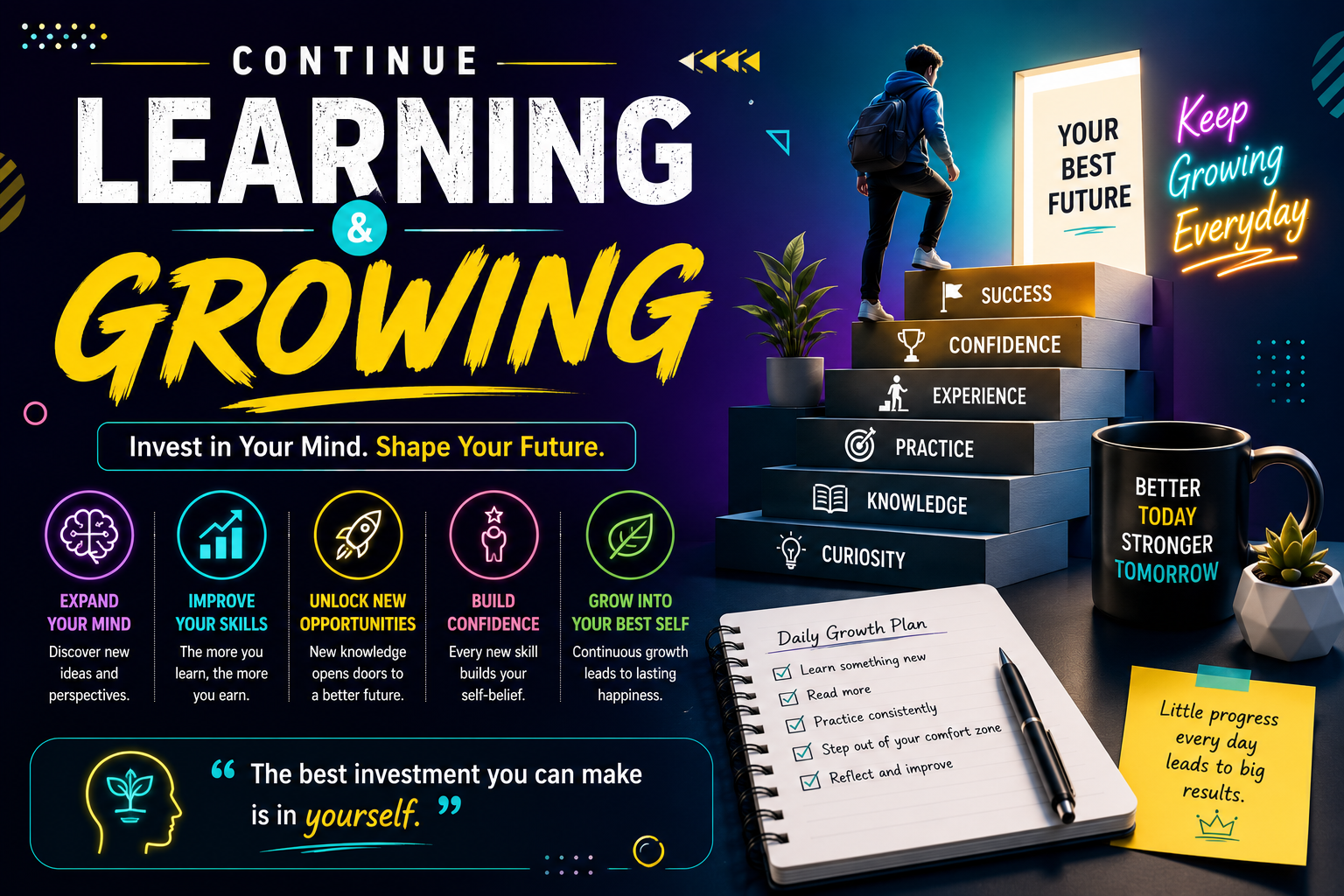
Personal growth contributes to long-term happiness and confidence. Reading books, learning new skills, taking online courses, or developing hobbies keeps the mind active and engaged.Continuous learning builds self-confidence while creating opportunities for career advancement and personal fulfillment.Growth doesn’t always require major achievements. Small improvements every day lead to meaningful long-term results.
Know When to Seek Professional Support
Self-care is valuable, but it cannot replace professional help when emotional difficulties become persistent or overwhelming.If stress, anxiety, sadness, or emotional challenges begin interfering with daily life, speaking with a qualified mental health professional can provide valuable guidance and support.Seeking help demonstrates strength and self-awareness rather than weakness.
Conclusion
Developing healthy self-care habits is one of the best investments you can make for your mental wellness. Simple daily actions such as getting enough sleep, staying physically active, practicing mindfulness, maintaining healthy relationships, and managing stress consistently contribute to better emotional well-being.
Remember that meaningful change rarely happens overnight. Small habits practiced every day gradually build resilience, improve happiness, and create a healthier, more balanced life. By making self-care a regular priority in 2026, you’ll be better prepared to handle life’s challenges while enjoying greater peace of mind and overall wellness.
Frequently Asked Questions (FAQs)
1. What are the best daily self-care habits for mental wellness?
Healthy habits such as regular exercise, quality sleep, mindfulness, balanced nutrition, stress management, and maintaining supportive relationships are among the most effective daily self-care practices.
2. How does self-care improve mental wellness?
Self-care helps reduce stress, improves emotional resilience, supports better sleep, increases focus, and promotes a healthier balance between personal and professional responsibilities.
3. How much time should I spend on self-care each day?
Even 20 to 30 minutes of intentional self-care activities, such as walking, meditation, journaling, or reading, can provide noticeable mental and emotional benefits.
4. Can self-care reduce stress naturally?
Yes. Activities like deep breathing, mindfulness, regular physical activity, healthy eating, and spending time in nature can naturally lower stress levels and improve emotional well-being.
5. Is self-care enough to treat mental health conditions?
Self-care supports overall mental wellness, but it is not a substitute for professional care. If emotional symptoms are severe, persistent, or interfere with daily life, it’s important to seek help from a qualified mental health professional.
Read more: Healthy Daily Habits for Better Wellness in 2026: 15 Ways
